Accommodation Categories in Europe
Where you stay heavily influences the texture of your vacation. European accommodation is incredibly varied, ranging from centuries-old family-run pensiones to cutting-edge design hotels. Understanding the nuances of these categories ensures that your expectations align with reality.
Note that European rating systems (the traditional "star" system) often reflect amenities—like having a 24-hour reception desk, an elevator, or an on-site restaurant—rather than aesthetic quality or charm. A phenomenal, atmospheric three-star boutique hotel may offer a far superior experience to a generic corporate five-star property built on the city outskirts.
Hotels and Boutique Properties
Traditional Hotels: Grand dame historic hotels and modern chain properties provide predictability. They are ideal for travelers who value reliable air conditioning, comprehensive breakfast buffets, concierges, and daily housekeeping. If you are arriving on a very late flight, the certainty of a 24/7 reception desk cannot be overstated.
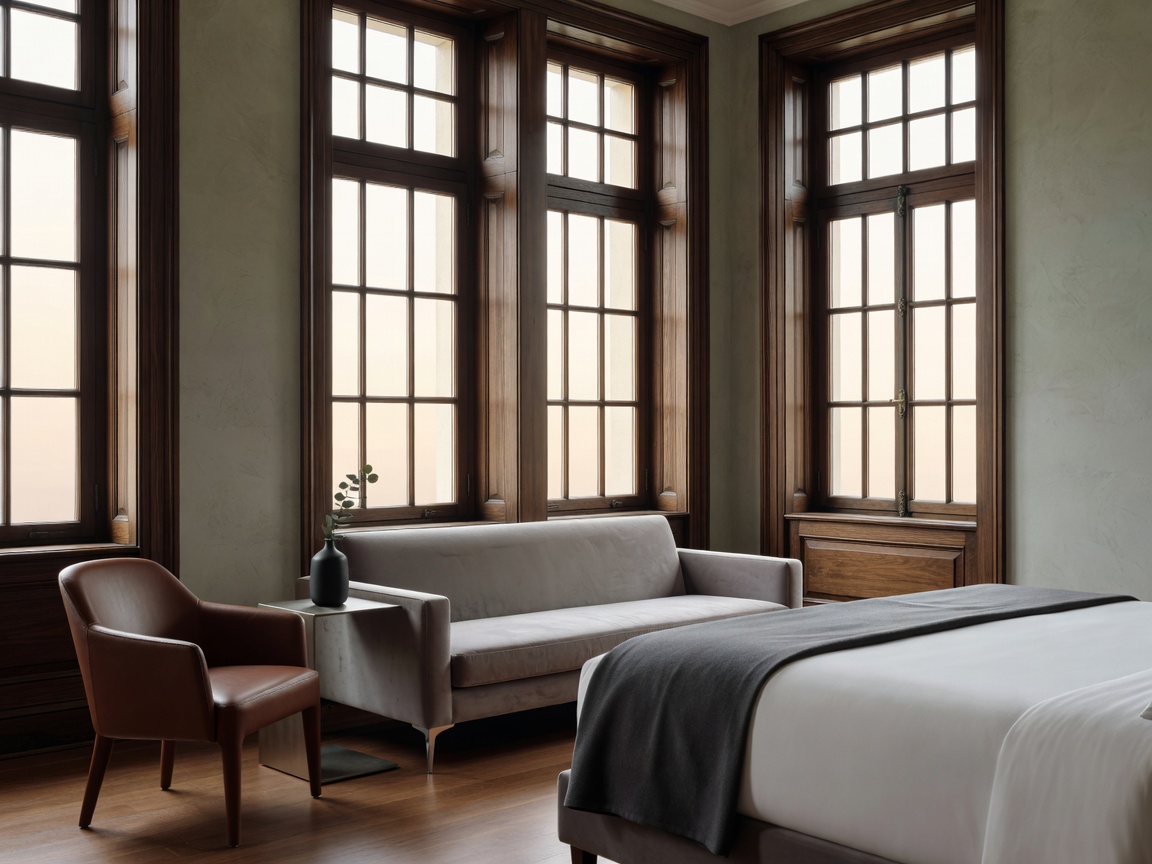
Boutique Hotels: Generally smaller, independent properties focusing on unique design and local integration. They often occupy historic buildings. Be aware that strict preservation laws in many European historical centers mean that elevators might be tiny (or non-existent), and room sizes can be highly variable due to the original architecture.
Guesthouses and B&Bs
For a more personal touch, a guesthouse provides direct interaction with locals. The hosts often serve as your immediate, informal concierge, offering insights into neighborhood restaurants that guidebooks miss. These are exceptional for cultural immersion but require flexibility, as check-in times are often strictly limited and front desks are rarely manned overnight.
Apartments and Short-Term Rentals
Renting an apartment fundamentally shifts your travel experience from "visitor" to "temporary resident."
- Advantages: Access to a kitchen allows you to shop at local markets. Separate living spaces are crucial for families or groups. You gain a deeper sense of neighborhood rhythm.
- Limitations: Check-in logistics can be complicated, often involving lockboxes or coordinating exact arrival times with a host. There is usually no daily cleaning, no luggage storage before check-in or after check-out, and no immediate on-site support if an appliance malfunctions.
Rural Stays and Resort-Style Accommodation
When venturing outside the cities, the options expand into distinctly European concepts. Agriturismos in Italy, Fincas in Spain, or Chateaux in France blend lodging with working farms, vineyards, or historic estates. These locations typically require a rental car but reward you with spectacular landscapes, hyper-local food, and profound tranquility. They are excellent centerpieces for the "relaxing" portion of a longer itinerary.
Location and Neighborhood Considerations
Transport Access: Always map your accommodation against your arrival point. A charming hotel at the top of a pedestrian-only hill with cobblestones might sound romantic, but dragging heavy luggage up that hill from the train station in the rain is decidedly less so. Check proximity to metro stops or verify if taxis can legally pull up to the front door.
Accessibility Needs: European accessibility standards vary wildly by country and property age. If mobility is a concern, you must explicitly confirm the presence of elevators (and their size—some fit only one person) and the presence of walk-in showers rather than high-sided clawfoot tubs.
Budget Considerations: City taxes are often charged per person, per night, payable locally in cash upon departure. Always factor these into your overall budget, alongside mandatory cleaning fees for apartments.