Choosing European Destinations
Europe is remarkably dense, culturally diverse, and geographically varied. For many travelers, the most overwhelming part of organizing a European vacation is simply deciding where to go. The instinct is often to build an aggressive itinerary that attempts to pack in as many iconic capitals as possible. However, the most rewarding journeys are usually born not from a checklist of famous sights, but from a thoughtful assessment of what you actually enjoy doing on a daily basis.
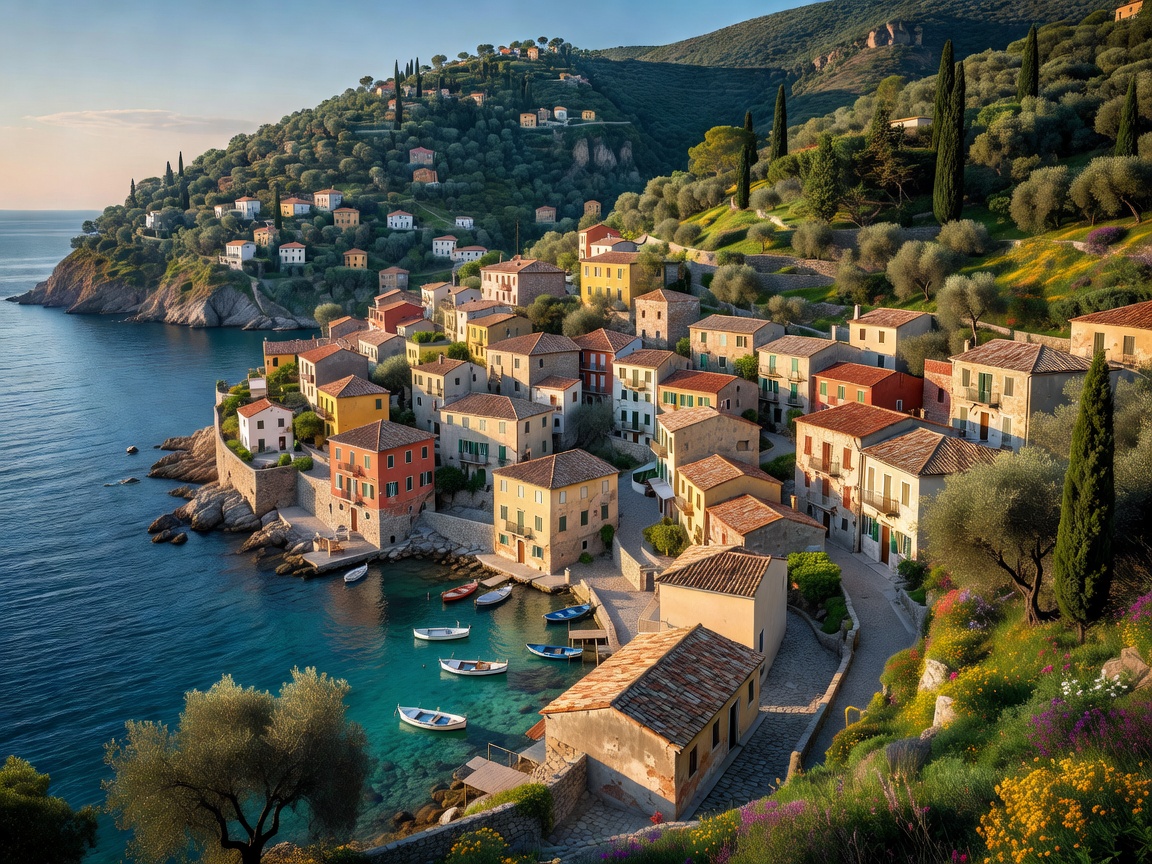
Are you energized by bustling food markets, modern art galleries, and navigating complex metro systems? Or do you prefer waking up to the sound of church bells in a small hilltop village where the day's biggest decision is which local bakery to visit? Destination planning starts with answering these foundational questions.
City vs. Regional Travel
A classic dilemma in European travel planning is choosing between hopping between major urban centers or deeply exploring a specific region. Both are valid, but they require entirely different logistical approaches.
City-Hopping: Moving between cities like London, Paris, Amsterdam, and Berlin relies heavily on Europe’s extensive high-speed rail networks and short-haul flights. It is ideal for first-time visitors seeking world-renowned architecture, major museums, and dynamic culinary scenes. The downside is the logistical overhead—you will spend significant time checking in and out of accommodations, packing bags, and navigating grand railway stations.
Regional Exploration: Focusing on a single region—such as Andalusia in Spain, Provence in France, or Tuscany in Italy—allows for a slower pace. You might base yourself in one or two locations and take day trips via a rental car or regional trains. This style favors landscape viewing, wine tasting, local festivals, and escaping the high-season crowds found in capital cities.
First-Time Destination Planning
If you are planning your first trip to Europe, the learning curve can be steep. We recommend anchoring your trip around a maximum of two or three primary destinations for a standard two-week vacation. This structure provides a comfortable rhythm.
- The Anchor City: Start your trip in a major hub with excellent international flight connections. Spend 4–5 nights recovering from jet lag and seeing major cultural touchpoints.
- The Contrast Destination: Next, move to an environment that contrasts sharply with your first stop. If you started in a sprawling metropolis, transition to a coastal retreat, an alpine town, or a mid-sized historic city.
- The Departure Hub: End your trip in a city that offers easy logistics for your flight home, minimizing the stress of departure day.
Trip Timing and Seasonal Nuance
The time of year you travel dictates much of your destination strategy. Summer (June through August) offers long daylight hours and vibrant street life, but it also brings intense heat to Southern Europe and maximum crowd density everywhere. If traveling in peak summer, consider shifting your focus northward to Scandinavia, Scotland, or the Baltic states, where the weather is exceptionally pleasant.
The "shoulder seasons" (April/May and September/October) are widely considered the optimal times for Mediterranean travel. The temperatures are comfortable for intensive sightseeing, and local hospitality workers are less fatigued. Winter travel requires embracing short days, but rewards visitors with festive holiday markets in Central Europe, cozy alpine culture, and vastly quieter museums in the major capitals.
Practical Planning Notes
Neighborhood Selection: Once a destination is chosen, selecting the right neighborhood is critical. Staying immediately adjacent to the biggest tourist attraction often guarantees high prices and generic dining. Instead, look for adjacent residential districts—often just a 15-minute walk or short tram ride away—where authentic local life actually happens.
Avoiding the "Overpacked" Trap: A common pitfall is the one-night stay. Every time you change destinations, you lose roughly half a day to logistics (packing, transit, checking in). Aim for a minimum of three nights in any major destination to allow for one uninterrupted full day of exploration.