Curating Your Days
The success of a European vacation often hinges on how you structure your daily schedule. A common error is treating a city like a task list to be conquered. The goal should not be to see everything, but rather to experience the things you choose to see fully, without succumbing to deep exhaustion. Proper planning turns a hectic sightseeing marathon into a deeply rewarding cultural immersion.
Cultural Activities and Museums
Europe holds the world's most impressive density of art and history museums. From grand national galleries to intimate single-artist collections, the options are limitless. However, "museum fatigue" is a very real phenomenon. Attempting to tackle the Louvre or the Vatican Museums in a single day, let alone attempting another museum afterward, will drain even the most enthusiastic art lover.
The Golden Rule: Limit yourself to one major structured cultural activity per day. If you book a major gallery for the morning, leave the afternoon free for unstructured walking, a leisurely lunch, or exploring an outdoor park.
Food Experiences and Culinary Rhythms
Food in Europe is not merely sustenance; it is a primary lens through which to understand regional culture. Embracing local eating rhythms is crucial.
- Timing is Everything: In Southern Europe, dinners often begin late. Arriving at a Spanish restaurant at 6:30 PM will likely find closed doors. In Northern Europe, the opposite is true. Adapt to the local clock.
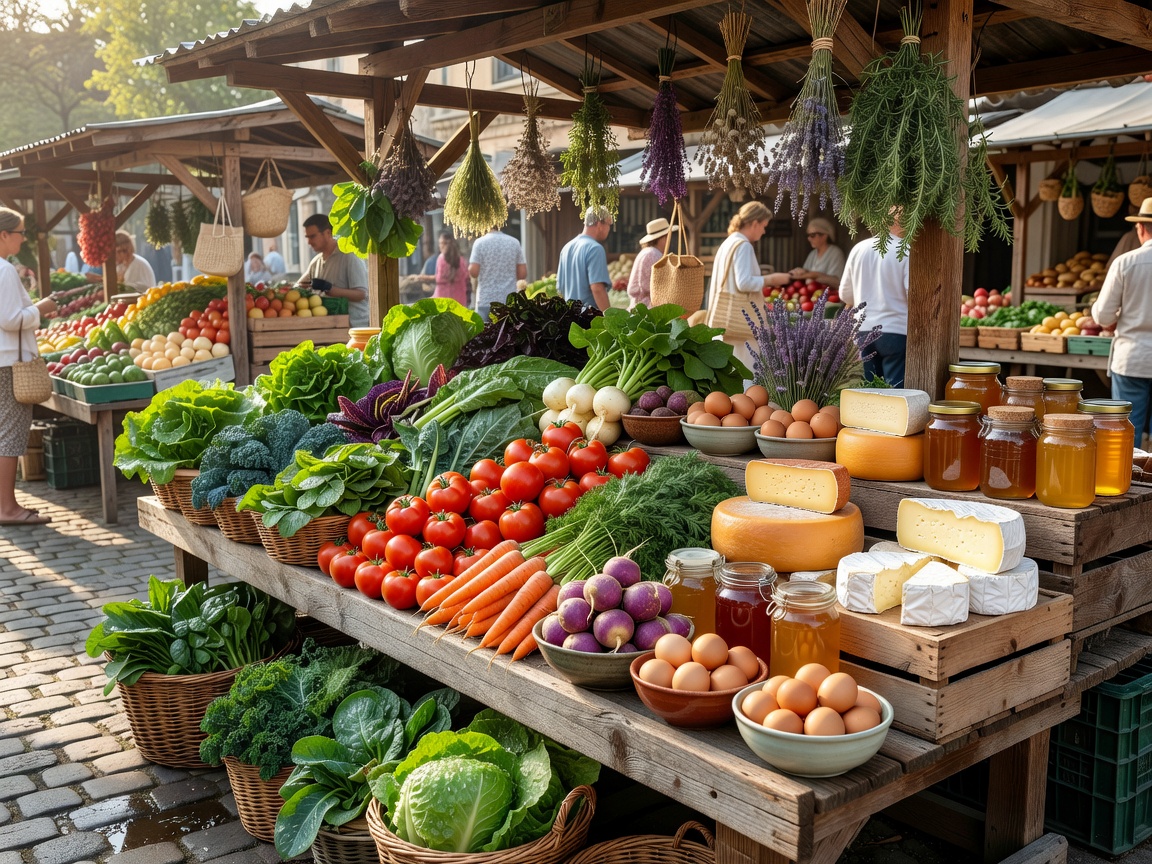
- Market Visits: Exploring local food markets in the morning is one of the highest-value experiences available. It provides insight into local agriculture, daily routines, and seasonal ingredients without feeling overly tourist-focused.
- Food Tours: Taking a guided food walking tour on your first day in a new city is highly recommended. It serves as an orientation to the local culinary geography and often provides you with excellent restaurant recommendations for the remainder of your stay.
Walking Experiences and Neighborhoods
Much of Europe’s charm lies in its pedestrian-friendly nature. Walking is the optimal mode of transit for experiencing the architectural shifts between neighborhoods. Seek out districts just outside the primary historical core—places where locals shop, drink coffee, and socialize. Guided architectural walks or historical walking tours are excellent ways to add context to the visual splendor of old city centers.
Outdoor and Seasonal Activities
Beyond the cities, Europe’s landscapes offer distinct experiences. Consider the season when planning. Summer invites coastal sailing or alpine hiking, while autumn provides opportunities for wine harvesting festivals. Integrating an outdoor activity—like renting bicycles to ride along the Danube or taking a coastal hike in the Cinque Terre—breaks up the monotony of continuous urban sightseeing.
Balancing Planned and Free Time
The "One Anchor" Strategy: We recommend planning exactly one anchor activity per day. This could be a reserved museum entry, a guided tour, or a specific dining reservation. Build the rest of your day flexibly around that anchor.
Pre-booking Realities: The era of spontaneously walking into major global attractions is largely over. Sites like the Colosseum, the Uffizi Gallery, or the Sagrada Familia often sell out weeks in advance. Identify your non-negotiable "must-sees" and lock down those tickets early, leaving the secondary interests open for on-the-ground decision making.
Rest is an Activity: Sitting at a café terrace with a coffee or an aperitivo for two hours, simply watching the city pass by, is a profoundly European activity. Do not feel guilty for scheduling nothing.